
Best Onion Exporter in India — How to Choose a Reliable Supplier
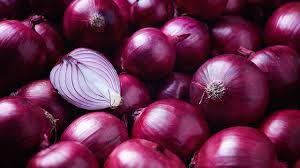
1. India's Onion Export — An Overview
India exports approximately 2–3 million metric tonnes of fresh onions annually. The primary growing regions are:
- Maharashtra (Nashik, Pune, Solapur) — Produces the most widely exported red onion variety, known as Nashik onion. Famous for long shelf life, deep red colour, and strong pungency.
- Karnataka (Belgaum, Hubli) — Second major producing state. Slightly smaller bulbs, good storage quality.
- Madhya Pradesh — Emerging supplier with competitive pricing for standard export grades.
- Gujarat — Supplies white onions preferred in the US and European markets for pickling and food processing.
📊 India Onion Export Quick Facts
- Annual fresh onion exports: 2–3 million MT
- Top export destinations: Malaysia, Sri Lanka, Bangladesh, UAE, Indonesia, UK
- Main export variety: Red Nasik onion (Allium cepa)
- Peak export season: November to May (Rabi crop)
- Key export ports: Nhava Sheva (JNPT), Mundra, Pipavav
2. Indian Onion Varieties for Export
| Variety | Origin | Characteristics | Best Market |
|---|---|---|---|
| Red Nasik Onion | Maharashtra | Deep red skin, strong pungency, long shelf life (3–4 months) | Middle East, SE Asia, UK, Africa |
| White Onion | Gujarat, Maharashtra | White skin, mild flavour, shorter shelf life | USA, EU (pickling, food processing) |
| Pink/Rose Onion | Karnataka | Medium pungency, attractive appearance | Sri Lanka, Bangladesh |
| Bangalore Rose Onion | Karnataka | Small, round, intense flavour | Niche gourmet markets |
3. Export Grade Specifications
Indian onions for export are graded primarily by size (diameter). Standard size categories are:
| Grade | Size (diameter) | Common Market |
|---|---|---|
| Super Large (A Grade) | 75 mm and above | Middle East, UK |
| Large (B Grade) | 60–75 mm | Middle East, Europe, SE Asia |
| Medium (C Grade) | 50–60 mm | Southeast Asia, Africa |
| Small (D Grade) | 40–50 mm | Bangladesh, Sri Lanka |
| Jumbo | 80 mm and above | Premium Middle East markets |
Always specify the size grade you need in your purchase order. Suppliers can mix grades unless specified. Most Middle East buyers prefer 60–75 mm (B Grade) as the standard.
4. Packaging for Onion Export
- Mesh bags (jute or PP) — 10 kg, 20 kg, 25 kg, 50 kg. Standard packaging for all bulk markets. Allows ventilation to prevent sprouting and rotting during transit.
- Carton boxes — 10 kg or 20 kg. Premium packaging for supermarkets in Middle East and Europe. Higher cost but better presentation at retail.
- Jumbo bins — Used for large-volume processing orders.
💡 Buyer Tip — Always Use Mesh Bags for Fresh Onion
Never use sealed plastic bags or airtight packaging for fresh onions. Onions produce ethylene gas during storage — without ventilation, they rot quickly. Mesh bags are the correct choice for all fresh onion shipments. If your supplier suggests otherwise, this is a red flag.
5. Export Seasonality and Price Fluctuation
Indian onion prices and export availability are highly seasonal and can be affected by weather, government policy, and domestic demand. Understanding this protects you from supply disruptions:
- November to May (Rabi crop) — Peak export season. Best supply, most competitive prices. Plan your bulk orders during this period.
- June to October (Kharif crop) — Smaller crop, higher prices, some quality variability.
- Export ban risk — The Indian government occasionally bans onion exports or imposes minimum export prices (MEP) to control domestic inflation. This happened in 2023 and 2019. Always maintain a buffer stock and have a contingency supplier.
⚠️ Export Ban Warning
India periodically restricts onion exports during domestic shortage years. Before placing large orders, ask your supplier about current export policy status and whether an MEP (Minimum Export Price) is in effect. A reliable exporter will always inform you of this upfront.
6. How to Choose the Best Onion Exporter from India
Here are the key criteria to evaluate when selecting your supplier:
Must-Have Credentials
- APEDA registration — Mandatory for all fresh produce exporters. Verify at apeda.gov.in.
- FSSAI licence — Required for all food exporters in India.
- IEC (Import Export Code) — Verify the exporter's IEC number at dgft.gov.in.
- Cold storage or grading facility — Reliable exporters have their own grading, sorting, and storage infrastructure, not just a trading office.
Questions to Ask Your Supplier
- What size grades do you have available right now?
- From which farm region / state is this season's stock sourced?
- What is your current stock level and lead time for a 1 FCL order?
- Can you share photos and a video of the current lot before shipment?
- What packaging options do you offer and what is the cost difference?
- Do you have experience exporting to my destination country? Any references?
- What is the current export policy status — any MEP or ban in place?
Red Flags to Avoid
- Unwilling to share pre-shipment photos or videos of the lot
- Cannot confirm the growing region or farm source
- No cold storage facility — onions stored in open fields lose quality fast
- Asking 100% advance payment with no LC option for large orders
- Unusually low price (below market rate often means poor quality or wrong grade)
7. Approximate Onion Export Prices (2025)
| Product | Approx. FOB Price (per MT) |
|---|---|
| Red Onion — Medium (50–60 mm) | USD 250 – 380 |
| Red Onion — Large (60–75 mm) | USD 300 – 430 |
| Red Onion — Super Large (75 mm+) | USD 380 – 520 |
| White Onion (all sizes) | USD 350 – 500 |
Onion prices in India are among the most volatile of all agricultural commodities. Prices can double or halve within a single season. Always request a current quote before ordering.
Source Fresh Onions from a Trusted Indian Exporter
Petolix Exports supplies premium Red Nasik and White onions from Gujarat and Maharashtra. Available in multiple size grades, mesh bag or carton packaging, with full APEDA documentation and reliable worldwide shipping.
📩 Get a Free Onion Quote